
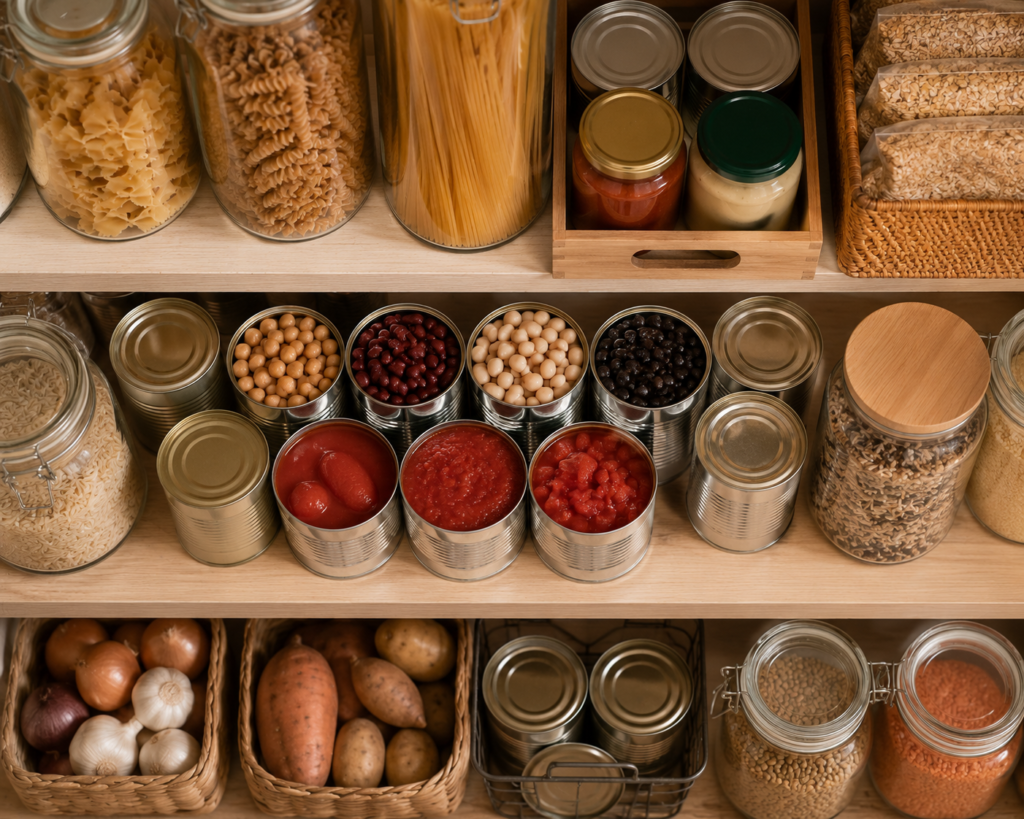
There’s a specific kind of dinner dread that happens a day or two before the next grocery trip: the fridge looks empty, ordering delivery feels like the only option, and yet the pantry is quietly full of things that could actually become a real meal. These pantry staple recipes are built entirely around canned goods, dry staples, and freezer basics — the kind of ingredients most households already have on hand, even during a genuinely bare week.
This list pairs directly with the budget grocery shopping guide already on this site — one of the biggest hidden grocery costs is buying “just in case” fresh ingredients for a single meal, when a pantry-only dinner using what’s already stocked would work just as well.
Why Keeping a Pantry-Only Meal List Actually Saves Money
According to USDA estimates, over one-third of all available food in the U.S. goes uneaten through loss or waste — and a meaningful share of that comes from forgotten pantry items that get replaced with a fresh grocery trip instead of being used. Building a small mental list of “meals I can always make from what’s already in the pantry” does two things at once: it prevents unnecessary extra shopping trips, and it keeps older pantry stock actually getting used before it’s forgotten at the back of a shelf.
The Core Pantry Staples Behind Almost Every Recipe Below
Nearly every recipe on this list draws from the same small set of shelf-stable ingredients:
- Rice, pasta, or another grain
- Canned beans (black, kidney, or chickpeas)
- Canned tomatoes (diced, crushed, or whole)
- Canned tuna or chicken
- Broth or bouillon
- Basic spices (garlic powder, cumin, chili powder, Italian seasoning)
- Frozen vegetables (which count as pantry-adjacent since they store for months)
If your pantry regularly has most of these on hand, you’re rarely more than 20 minutes from a real meal, even without a grocery trip.
15 Pantry Staple Recipes
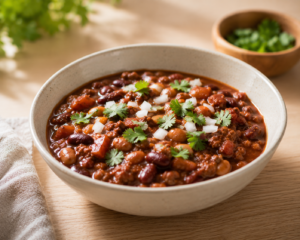
1. Pantry Chili
Canned beans, canned tomatoes, and chili seasoning simmered together — one of the most forgiving, ingredient-flexible recipes on this list.
2. Tuna Pasta
Pasta tossed with canned tuna, a little oil or butter, garlic, and canned tomatoes or a splash of pasta sauce if you have it.
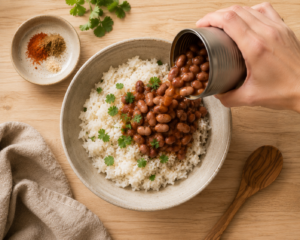
3. Rice and Bean Bowls
Rice, canned beans, and a simple spice blend, topped with hot sauce or salsa if available — endlessly adaptable to whatever seasoning is in the cabinet.
4. Chickpea Curry
Canned chickpeas simmered in canned tomatoes with curry powder and garlic, served over rice — a naturally vegetarian, protein-rich option.
5. Canned Chicken Soup Upgrade
Canned or shelf-stable chicken combined with broth, a handful of pasta or rice, and frozen vegetables — a homemade upgrade on a canned soup base.
6. Black Bean Quesadillas
Canned black beans and shredded cheese folded into a tortilla and pan-crisped — works with whatever cheese and tortillas are on hand.
7. Tomato and White Bean Soup
Canned tomatoes, canned white beans, and broth blended or left chunky — a simple, filling soup from three shelf-stable ingredients.
8. Pantry Fried Rice
Rice, a can of mixed vegetables (or frozen), and an egg if available — a flexible way to use up rice that’s a day or two old.
9. Tuna Melts
Canned tuna mixed with a small amount of mayo or mustard, topped with cheese, and broiled on bread — ready in under 10 minutes.
10. Lentil Soup
Dried lentils (no soaking required), canned tomatoes, and broth, simmered until soft — one of the most affordable protein sources in this entire list.
11. Pasta with Garlic and Canned Tomatoes
A simple, five-ingredient sauce made entirely from pantry staples — pairs directly with the ground beef recipes list if you happen to have ground beef to add.
12. Canned Salmon Cakes
Canned salmon mixed with breadcrumbs, egg, and seasoning, pan-fried into patties — a budget-friendly way to get a fish-based dinner without buying fresh fish.
13. Bean and Rice Burritos
Rice, canned beans, and any shelf-stable salsa or hot sauce, wrapped in a tortilla — nearly identical to the rice and bean bowls above, but portable.
14. Pantry Minestrone
Canned tomatoes, canned beans, pasta, and broth, with any frozen or slightly wilting vegetables added in — a great way to use up odds and ends before they spoil.
15. Peanut Butter Noodles
Pasta tossed with peanut butter, soy sauce, and a little water or broth to loosen the sauce — an unexpectedly satisfying, mostly pantry-based dinner.
How to Build Your Own Pantry Staple List
Rather than memorizing this exact list, the more durable habit is identifying your own “always keep stocked” items:
- Notice what you reach for most during a normal week and make sure that item never fully runs out.
- Buy a backup of shelf-stable basics when they’re on sale, since none of these ingredients spoil quickly.
- Rotate older cans and dry goods to the front when restocking, so nothing sits forgotten for years.
- Keep a small running list on your phone of what’s currently in the pantry, updated after each shopping trip — this alone prevents most “I forgot I had that” food waste.
Frequently Asked Questions
How long do canned goods actually last in the pantry? Most canned goods remain safe well past their printed date as long as the can isn’t dented, bulging, or leaking — though quality (flavor and texture) is best within 2–5 years for most canned vegetables, beans, and proteins.
Are frozen vegetables a reasonable substitute in pantry-only recipes? Yes — frozen vegetables are considered pantry-adjacent for the purposes of meal planning since they store for months and work in nearly every recipe on this list, unlike fresh produce which spoils within days.
What’s the single most versatile pantry staple to always keep stocked? Canned beans. They appear in more recipes on this list than any other single ingredient and work as a protein source, a bulking agent, or a main ingredient depending on the dish.
Can these recipes work for someone eating vegetarian? Yes — the majority of this list is naturally vegetarian already (beans, lentils, rice-based dishes), with only a few recipes built around canned tuna, chicken, or salmon that can simply be skipped.
Is it actually cheaper to keep a stocked pantry versus shopping fresh each time? Generally yes, since shelf-stable staples bought in bulk or on sale cost less per meal than repeated small fresh-ingredient purchases, and they eliminate the “emergency takeout” cost of nights when fresh ingredients have run out.
Final Thought
The real value of these pantry staple recipes isn’t the specific dishes themselves — it’s having a reliable mental list ready for the nights when a grocery trip isn’t happening, whether that’s due to time, weather, or simply being a few days out from the next shop. Paired with the budget grocery shopping and make-ahead freezer meals guides already on this site, a well-stocked pantry closes the last remaining gap between “nothing to eat” and a genuinely satisfying home-cooked meal.
