
Quick Answer
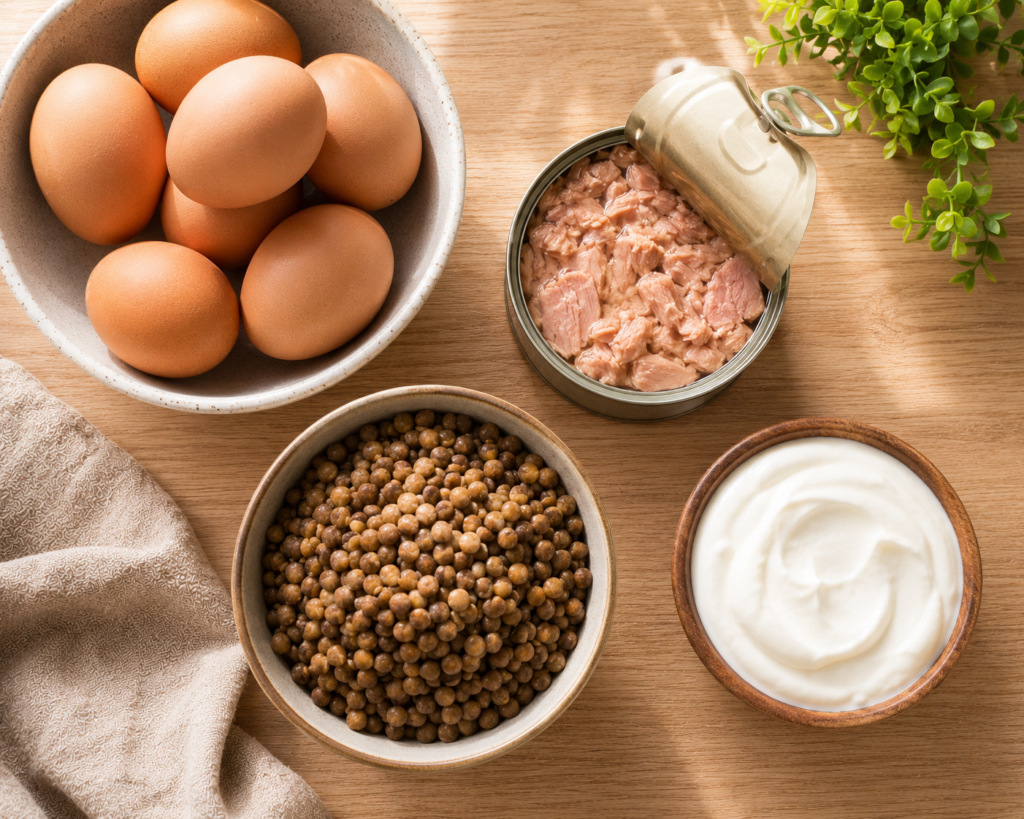
High protein meals on a budget don’t require expensive protein powders or specialty products — eggs, canned tuna, beans, lentils, and chicken thighs remain the cheapest sources of protein per gram, and all fifteen recipes below are built entirely around them. Updated 2026–2030 Dietary Guidelines for Americans now recommend 1.2–1.6 grams of protein per kilogram of body weight daily, higher than the older 0.8 grams per kilogram standard, which is one reason high-protein eating has become the single biggest food trend of the year.
Protein has moved from a niche gym-goer concern into mainstream grocery shopping, and for good reason — it keeps you full longer and supports muscle maintenance. The good news for anyone reading this site is that the cheapest, most accessible protein sources have always overlapped heavily with budget cooking staples already covered here, including the chicken thigh recipes and ground beef recipes already on this site.
The Cheapest Protein Sources, Ranked
| Protein Source | Protein per Serving | Budget Rating |
|---|---|---|
| Lentils (dry) | ~18g per 1/2 cup cooked | Excellent |
| Eggs | ~6g per egg | Excellent |
| Canned tuna | ~20g per 3.5 oz | Excellent |
| Chicken thighs | ~19g per 3.5 oz | Very good |
| Ground beef (lean) | ~18g per 1/2 cup cooked | Very good |
| Black beans | ~10g per 1/2 cup | Excellent |
| Cottage cheese | ~12g per 1/2 cup | Good |
| Greek yogurt | ~16g per container | Good |
Lentils, eggs, canned tuna, and beans consistently rank as the most affordable protein sources per gram, which is why they anchor most of the recipes below rather than pricier options like salmon or specialty protein products.
15 High-Protein Meals on a Budget
1. Egg and Black Bean Breakfast Bowl
Scrambled eggs over black beans with a little cheese — roughly 25g of protein in a five-minute breakfast.
2. Lentil Soup
Dried lentils, canned tomatoes, and broth simmered until soft — one of the highest-protein, lowest-cost meals possible per serving.
3. Tuna and White Bean Salad
Canned tuna mixed with canned white beans, olive oil, and lemon — no cooking required, over 30g of protein per serving.
4. Chicken Thigh and Rice Bowls
Using the chicken thigh recipes already on this site, paired with rice and vegetables for a complete, high-protein dinner.
5. Greek Yogurt Chicken Salad
Shredded chicken mixed with plain Greek yogurt instead of mayo, boosting the protein content of a classic lunch.
6. Black Bean and Egg Breakfast Tacos
Scrambled eggs and black beans wrapped in a tortilla — a filling, high-protein start to the day for well under a dollar per serving.
7. Ground Beef and Lentil Chili
Combining ground beef with lentils stretches the meat further while significantly increasing total protein per serving.
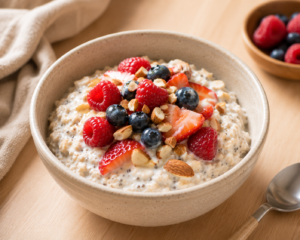
8. Cottage Cheese with Berries and Nuts
An almost entirely hands-off, high-protein snack or light meal that pairs naturally with the pantry staples already covered on this site.
9. Chicken and Bean Burrito Bowls
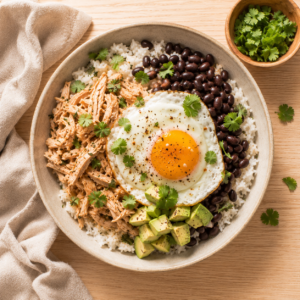
Shredded chicken thighs, black beans, and rice — a combination that regularly exceeds 40g of protein per bowl.
10. Baked Eggs in Tomato Sauce (Shakshuka-Style)
Eggs baked directly in a simple tomato sauce — an inexpensive, protein-rich dinner that works for breakfast, lunch, or dinner equally well.
11. Tuna Melt on Whole Grain Bread
Canned tuna and cheese broiled on bread — quick, cheap, and delivers a substantial protein boost compared to most sandwich options.
12. Slow Cooker Chicken and Bean Soup
Using the batch-cooking approach from the slow cooker recipes for beginners guide, chicken thighs and beans combine into a high-protein, hands-off soup.
13. Lentil and Ground Beef Bolognese
Lentils bulk up a smaller amount of ground beef into a protein-dense pasta sauce that stretches further than meat alone.
14. Egg Fried Rice with Edamame
Eggs and shelled edamame stirred into rice — a plant-forward, high-protein option that also uses up leftover rice.
15. Greek Yogurt Protein Overnight Oats
Oats mixed with Greek yogurt instead of just milk, prepared the night before — a genuinely high-protein breakfast that requires zero morning cooking.
Expert Tip
Spreading protein evenly across meals matters more than most people realize — research summarized by nutrition experts suggests aiming for at least 20–25 grams of protein per meal supports satiety better than loading most of your daily protein into a single large dinner. Several recipes above (egg bowls, tuna salad, chicken and bean bowls) are specifically built to hit that per-meal target on their own, rather than requiring a separate protein supplement.
Common Budget Protein Mistakes to Avoid
- Relying on protein powders and bars as a primary source. These are often more expensive per gram of protein than whole foods like eggs, beans, and canned tuna, despite heavy marketing suggesting otherwise.
- Skipping plant-based proteins entirely. Lentils and beans are among the cheapest protein sources available and pair naturally with the meat-based recipes already on this site rather than replacing them entirely.
- Buying pre-portioned “protein packs.” These convenience products typically cost significantly more per gram of protein than buying the same ingredients separately and portioning them yourself, similar to the bulk-buying principles in the budget grocery shopping guide.
- Ignoring canned fish. Canned tuna and salmon are consistently among the cheapest, fastest, no-cook protein sources available, yet are often overlooked in favor of pricier fresh fish.
Frequently Asked Questions
How much protein do I actually need per day? Updated 2026–2030 Dietary Guidelines for Americans recommend 1.2–1.6 grams of protein per kilogram of body weight daily, higher than the previous standard of 0.8 grams per kilogram — for a 150-pound (68 kg) person, that’s roughly 82–109 grams per day.
What’s the cheapest source of protein per gram? Dried lentils and eggs consistently rank among the least expensive protein sources per gram, followed closely by canned tuna, beans, and chicken thighs, all of which anchor the recipes on this list.
Can I get enough protein without eating meat every meal? Yes — lentils, beans, eggs, and Greek yogurt all provide substantial protein without meat, and several recipes above (lentil soup, egg and bean bowls, cottage cheese) are naturally meat-free while still hitting a high protein target.
Do I need protein supplements to hit these targets on a budget? Not for most people. Whole-food sources like eggs, canned tuna, and legumes are generally more affordable per gram of protein than powders or bars, making supplements optional rather than necessary for most budget-conscious eaters.
How much protein should be in a single meal? Many nutrition experts recommend aiming for roughly 20–30 grams of protein per meal to support fullness and steady energy, rather than concentrating most of your daily intake into one large meal.
Final Thought
High-protein meals on a budget don’t have to be complicated — eggs, lentils, canned tuna, beans…High-protein eating has become 2026’s dominant food trend for a reason — but hitting updated protein targets doesn’t require expensive specialty products. Eggs, lentils, canned tuna, beans, and the chicken thigh and ground beef recipes already covered on this site remain the most reliable, budget-friendly way to consistently hit a high-protein target, meal after meal.
