
Quick Answer
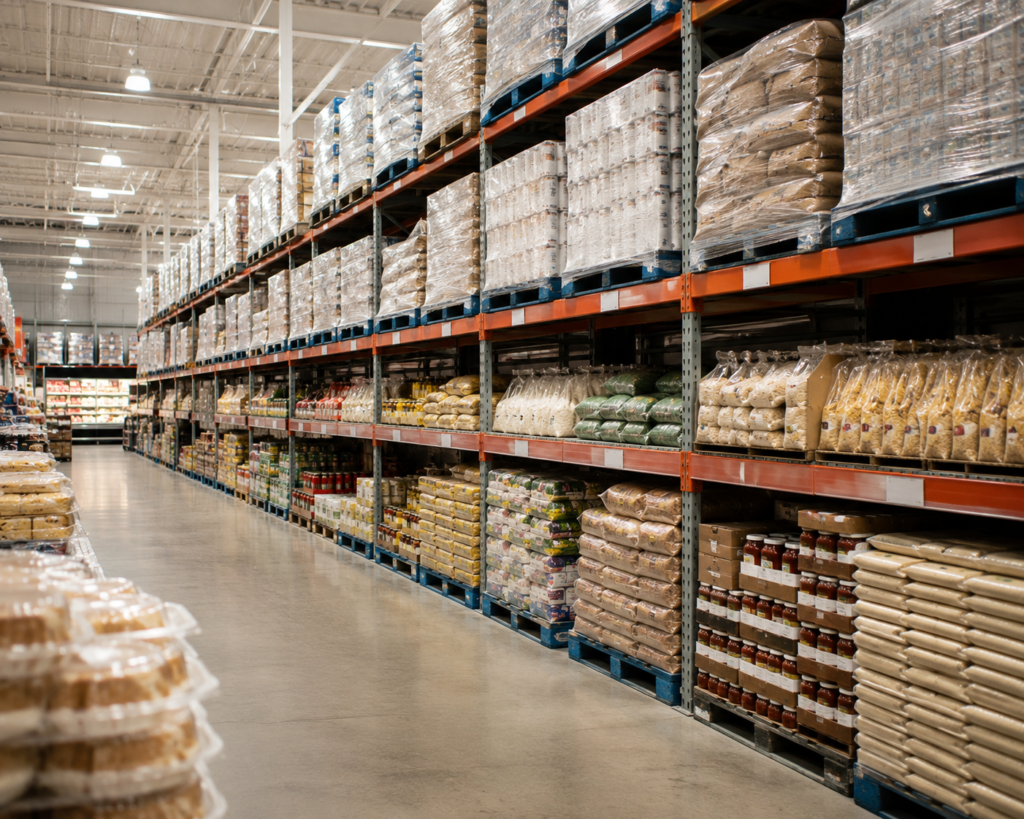
Most Costco membership guides focus heavily on gas savings, travel bookings, and big-ticket purchases like tires or appliances — but if you’re evaluating whether it’s worth it purely for groceries, the math is narrower and more specific. A Gold Star membership costs $65 a year, which breaks even at just $5.42 a month in grocery savings. Real-world estimates put typical household grocery and consumables savings at Costco between $556 and $1,334 a year for a family of four — well above the breakeven point, but with real exceptions worth knowing before you sign up.
This builds directly on the leftover rotisserie chicken recipes guide already on this site, where Costco’s rotisserie chicken was specifically cited as a “loss leader” — a product priced below cost to draw shoppers in. That same logic applies more broadly across Costco’s grocery section, which is exactly what this article breaks down.
Where Costco Actually Wins on Groceries
- Shelf-stable staples: Oils, canned goods, grains, coffee, and pantry basics consistently show the clearest per-unit price advantage, since these don’t carry spoilage risk from buying in bulk.
- Meat and proteins: Bulk-packaged meat, including the same rotisserie chicken strategy covered on this site, frequently beats regular grocery store per-pound pricing — pairing well with the portioning approach in the budget kitchen tools guide.
- Frozen foods: Large-format frozen vegetables, proteins, and prepared foods store indefinitely, removing the “will I use it before it spoils” risk that applies to fresh bulk items.
- Big-ticket grocery-adjacent items: Bulk purchases of household paper products and cleaning supplies, while not technically groceries, often factor into the same shopping trip and add meaningfully to per-trip savings.
Where Costco Doesn’t Actually Win on Groceries
This is the part most Costco guides skip, but it matters for an honest grocery-only evaluation:
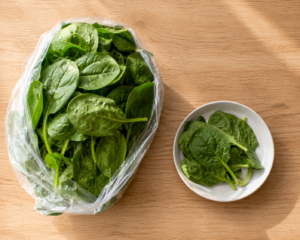
- Fresh produce in large quantities. A 3-pound bag of avocados or a large clamshell of berries is only a deal if the household will realistically eat all of it before it spoils — otherwise, the “per-unit savings” is erased by food waste.
- Specialty and organic items. Stores like Trader Joe’s or Aldi frequently match or beat Costco pricing on organic staples in smaller, more manageable quantities.
- Small households. A single person or couple often can’t use bulk perishable quantities fast enough to realize the savings before spoilage, even when the per-unit price is genuinely lower.
- Impulse purchases. Costco’s warehouse layout is well-documented as encouraging larger basket sizes than planned — savings on individual items can be erased if the trip consistently includes unplanned extras.
The Grocery-Only Breakeven Math
| Membership | Annual Cost | Monthly Savings Needed to Break Even |
|---|---|---|
| Gold Star | $65 | $5.42 |
| Executive | $130 | $10.83 (or 2% back once annual spend hits $3,250) |
For context, a single bulk meat purchase or a rotisserie chicken run often covers a meaningful share of the Gold Star breakeven in one trip — which is why grocery-focused shoppers tend to hit breakeven faster than gas- or travel-focused evaluations suggest .For the current official pricing, see Costco’s membership page directly.
How to Actually Capture Grocery Savings (Not Just Access Them)
Having access to bulk pricing doesn’t automatically save money — it only helps if the food gets used rather than wasted. This connects directly to the storage habits already covered on this site:
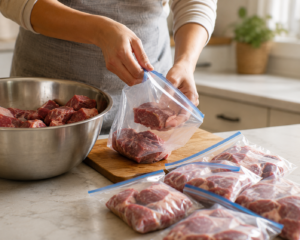
- Portion bulk meat immediately, following the same approach in the budget kitchen tools guide — freeze what won’t be used within a few days.
- Freeze bulk bread, and other freezer-friendly staples right away, using the principles from the make-ahead freezer meals guide.
- Only buy fresh produce in bulk if you have a specific plan for it — a vague “we’ll eat it” intention is the most common way bulk produce savings disappear.
- Compare unit price, not sticker price, the same principle covered in the budget grocery shopping guide — a larger package isn’t automatically a better deal.
Expert Tip
Before committing to a membership, most Costco locations allow a guest visit with a member, or offer a limited trial shopping pass — use that visit specifically to price-check the 8–10 grocery items your household buys most consistently, rather than browsing broadly. This gives a far more accurate personal breakeven estimate than any general savings percentage, since grocery spending patterns vary enormously between households.
Common Mistakes That Erase Costco’s Grocery Savings
- Buying perishables in bulk without a plan. As covered above, this is the single most common way the “savings” turn into food waste instead.
- Treating every trip as a stock-up trip. Frequent large trips increase the temptation for unplanned extras, which erodes the per-unit savings on planned items.
- Ignoring smaller specialty grocers for specific categories. As noted above, organic and specialty items don’t always favor Costco — a hybrid shopping approach often outperforms an all-in-one-store strategy.
- Forgetting to factor in travel time and distance. If the nearest warehouse is a significant drive, the time and fuel cost can offset grocery savings for smaller shopping trips.
Frequently Asked Questions
Is Costco worth it if I only ever buy groceries, not gas or big-ticket items? Often yes, but more narrowly than general Costco guides suggest — the $65 Gold Star fee is a low bar to clear on groceries alone, but the honest answer depends heavily on household size and whether perishable bulk items actually get used before spoiling.
What’s the single best grocery category to prioritize at Costco? Shelf-stable pantry staples and proteins that can be portioned and frozen immediately — these avoid the spoilage risk that undermines savings on fresh produce, while still offering a consistent per-unit price advantage.
Is it worth it for a single person or small household? It’s more marginal — smaller households often struggle to use bulk perishable quantities before spoilage, though shelf-stable staples and freezer-friendly proteins can still make sense in smaller amounts.
Do I need the Executive membership to make Costco worth it for groceries? Not necessarily — Executive only pays off once annual Costco spending reaches roughly $3,250, which is a high bar for grocery-only shopping unless a household is also using Costco for a wide range of other categories.
How does Costco’s rotisserie chicken fit into this grocery math? As covered in the rotisserie chicken recipes guide already on this site, it’s a well-documented loss leader — one of the clearest, most consistent single-item savings available, and a good real-world test of whether Costco’s bulk-and-loss-leader pricing model fits a household’s shopping habits.
Final Thought
Stripped of the gas station and travel-booking math most guides lean on, Costco’s grocery-only value proposition still holds up for most households — but only when bulk buying is paired with an actual plan to use what’s purchased. Combined with the budget grocery shopping, freezer meal, and rotisserie chicken strategies already covered on this site, a Costco membership becomes less about the card itself and more about whether the habits around it actually capture the savings it makes available.
