
Quick Answer
Comparing coffee at home vs coffee shop prices reveals a stark gap — a daily coffee shop habit costs the average U.S. consumer roughly $2.70 to $5 per cup, or somewhere between $700 and $1,800 a year for one cup a day — while home-brewed coffee typically costs $0.25 to $0.75 per cup, even using good-quality beans. That gap holds even after buying real equipment: a $10 pour-over setup pays for itself within a week or two for a daily café drinker, and even a $150 drip machine typically pays for itself within one to two months. This guide breaks down the real numbers and gives five specific home brewing setups at different budgets, since most articles comparing this cost skip the part that actually matters — what to buy and how to use it.
Coffee at Home vs Coffee Shop: The Real Cost Comparison
| Coffee Shop | Home-Brewed | |
|---|---|---|
| Basic drip coffee | $2.50–$4 per cup | $0.16–$0.50 per cup |
| Specialty latte/espresso drink | $4.50–$7+ per cup | $0.75–$1.50 per cup |
| Daily habit, 1 cup/day | ~$900–$1,800/year | ~$90–$275/year |
| Daily habit, 2 cups/day | ~$1,800–$3,600/year | ~$180–$550/year |
| Typical annual savings (1 cup/day) | — | $700–$1,500+ |
The exact numbers shift based on drink complexity and location, but the pattern holds consistently across nearly every cost analysis: home-brewed coffee runs somewhere between 5 and 15 times cheaper per cup than the equivalent café drink.
5 Home Coffee Setups by Budget
1. Under $10: Basic Pour-Over
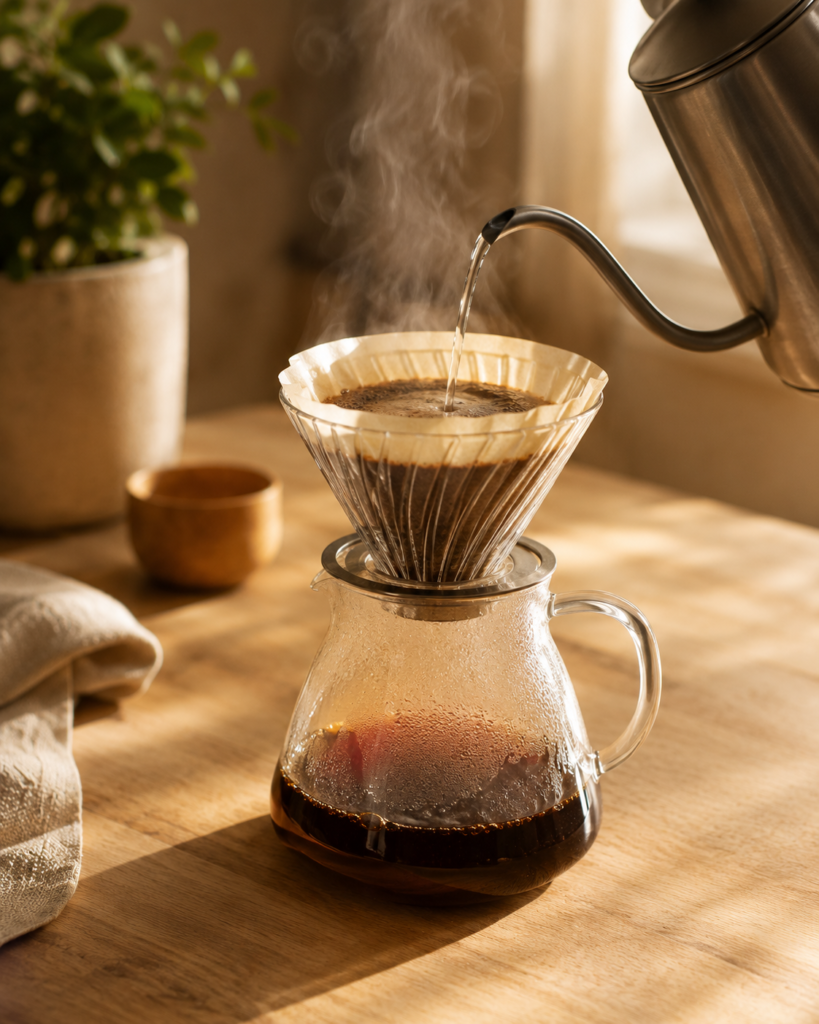
A simple plastic or ceramic pour-over cone and paper filters, using any coffee grounds and a kettle you likely already own. This is the cheapest possible entry point and produces genuinely good coffee — the limiting factor is technique, not equipment cost.
2. $20–$40: French Press
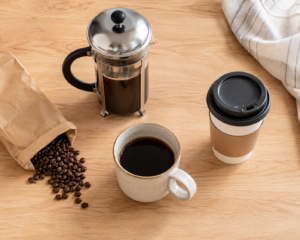
A classic French press requires no filters (just the built-in mesh plunger) and produces a fuller-bodied cup than pour-over. Slightly more forgiving for beginners than pour-over, since timing matters less.
3. $50–$80: Basic Drip Coffee Maker
A standard programmable drip machine, ideal for households that want multiple cups ready at once without any manual brewing technique — the trade-off is a slightly less nuanced flavor than manual methods, though modern budget machines have closed much of that gap.
4. $100–$150: AeroPress Plus a Basic Grinder
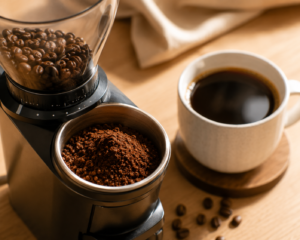
Combining an AeroPress (a fast, versatile manual brewer) with an inexpensive burr grinder meaningfully improves flavor over pre-ground coffee, since freshly ground beans lose flavor within days of grinding.
5. $150+: Entry-Level Espresso Setup
A basic espresso machine in this range won’t match a café’s commercial equipment, but for anyone specifically craving lattes or espresso-based drinks rather than drip coffee, this tier still pays for itself within a few months for a daily café-latte habit.
Why Ground Coffee Freshness Matters More Than Equipment Price
Coffee beans lose meaningful flavor within about two weeks of being ground, and within a month or two of roasting even whole bean. A $10 pour-over setup using fresh, recently-ground beans will consistently outperform a $150 machine running on stale, months-old pre-ground coffee. If upgrading anything beyond a basic brewer, a simple burr grinder (not a blade grinder, which produces uneven grounds) is generally the single highest-impact upgrade available.
The “Latte Factor,” Explained Simply
Personal finance writers often use the term “latte factor” to describe how small, frequent purchases add up to a large amount over time — a $5 daily coffee adds up to roughly $1,825 a year, and invested instead at a typical long-term market return, that same amount can compound into tens of thousands of dollars over a decade or two. This doesn’t mean coffee itself is a financial mistake — it means the gap between the cheapest and most expensive way to get the same cup of coffee is large enough to matter over time, which is exactly what the comparison above is meant to show clearly.
Common Home Coffee Mistakes That Waste the Savings
- Buying an expensive machine and then never using it. As covered above, even a basic $10–$20 setup captures most of the cost savings — expensive equipment only pays off if it actually gets used daily instead of gathering dust.
- Using stale, old ground coffee. This is the single biggest reason home coffee tastes worse than café coffee, not the equipment.
- Recreating expensive specialty drinks at home with pricier add-ins. Buying flavored syrups, specialty milk alternatives, and extra add-ons can erode much of the savings if done to excess — the biggest gap is specifically between basic drip coffee at both venues.
- Forgetting to factor in the “convenience trip” itself. Part of a daily café habit’s cost isn’t just the coffee — it’s the detour, the impulse pastry purchase, and the time spent, all of which disappear with a home setup.
- Assuming a single grinder or brewer purchase locks you in forever. Starting with the cheapest tier above and upgrading later if the habit sticks avoids overspending on equipment before knowing it’ll actually get used.
Frequently Asked Questions
Is home-brewed coffee really that much cheaper, even with good beans? Yes — even premium specialty beans typically bring home-brewed coffee to around $1–$1.50 per cup, which is still a fraction of the $4–$7+ range for an equivalent café specialty drink.
How quickly does a home coffee setup pay for itself? For a daily café drinker, even a mid-range setup ($100–$150) typically pays for itself within one to two months, while the cheapest setups (under $20) pay for themselves within days to a couple of weeks.
Does the brewing method itself significantly affect cost per cup? Not much — the primary cost driver is the beans themselves, not the brewing method. Methods using slightly more coffee per cup (like French press) cost marginally more per cup than more efficient methods (like a long pour-over), but the difference is small compared to the café price gap.
Do I need an expensive burr grinder, or is pre-ground coffee fine? Pre-ground coffee works and is cheaper upfront, but loses flavor faster than whole beans ground fresh right before brewing — a basic burr grinder is generally considered the highest-value single upgrade for anyone serious about closing the flavor gap with café coffee.
Is it realistic to completely replace café coffee with home brewing? For most people, a hybrid approach works best — brewing at home on typical days while still treating an occasional café visit as an intentional choice rather than a daily default, which captures most of the savings without requiring an all-or-nothing habit change.
Final Thought
The math behind coffee at home vs. coffee shop pricing isn’t close — even accounting for real equipment costs, home brewing wins by a wide margin for anyone drinking coffee regularly. The bigger question isn’t whether to switch, but which of the five setups above actually fits how much coffee gets consumed and how much hands-on brewing effort feels worth it. Paired with the broader cost-saving strategies in the 2026 grocery price guide and budget grocery shopping guides already on this site, a home coffee setup is one of the fastest-paying-off changes on this entire site.

2 Comments