
Featured Snippet Answer
New import tariffs are pushing up prices on foods the U.S. buys heavily from overseas — coffee, imported pasta, olive oil, and Mexican produce like avocados and tomatoes are seeing the sharpest increases. Domestically raised staples like chicken and eggs are holding steadier or even falling, since they aren’t subject to the same import costs. Economists say much of the tariff impact is still working its way to store shelves, with the fuller effect expected through the second half of 2026.
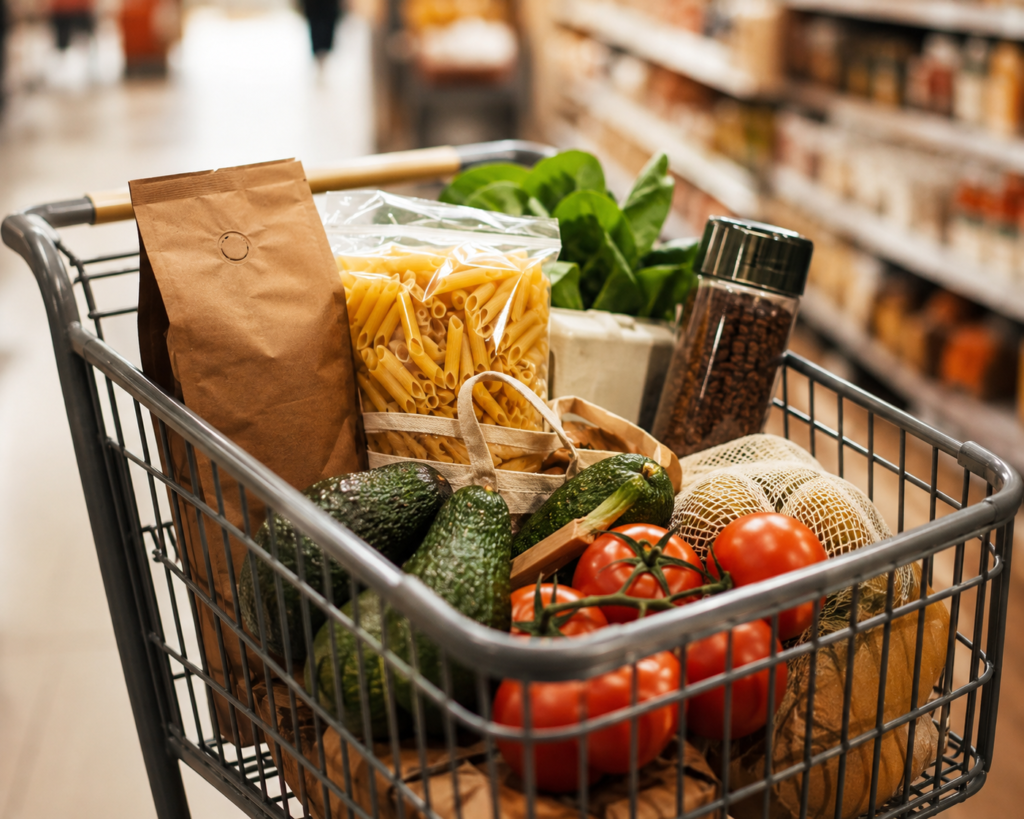
[IMAGE 1 — Featured Image, place at the very top of the article]
Quick Answer
Grocery tariffs 2026 are creating one of the most uneven pricing environments in recent memory, and most coverage of the story only looks at one piece of it — a single ingredient or a single number. Put together, the pattern is clear: foods the U.S. imports heavily are climbing sharply, while foods produced domestically are staying comparatively stable. Coffee has seen some of the steepest year-over-year increases following new tariffs on major producing countries. Imported pasta and olive oil from the EU face substantial added costs. Produce imported from Mexico — where the U.S. sources roughly half its fresh fruit and a large majority of its vegetables — is climbing on items like avocados, tomatoes, and berries. Meanwhile, domestically raised poultry has stayed nearly flat, and egg prices have actually continued falling as flocks recover from earlier disruptions.
This connects directly to the 2026 grocery price guide already on this site, adding the tariff dimension behind several of the category shifts already covered there.
Key Takeaways
- Imported foods (coffee, pasta, olive oil, Mexican produce) are seeing the largest tariff-driven price increases in 2026.
- Domestically raised proteins like chicken and eggs are comparatively insulated from these specific cost pressures.
- Economists widely note that tariff costs typically take over a year to fully reach store shelves, meaning the second half of 2026 is likely to show the fuller impact.
- Swapping imported staples for domestic equivalents (chicken thighs instead of imported specialty meats, domestic grains instead of imported pasta) is one of the most direct ways to limit the impact on a grocery budget.
- Wholesale clubs with fixed membership pricing have shown somewhat more price stability than standard grocery retailers during this period, as covered in the Costco value guide already on this site.
Which Grocery Categories Are Most Affected
Coffee
New tariffs on major coffee-producing countries have contributed to some of the sharpest year-over-year price increases of any grocery category in 2026, well beyond coffee’s normal, minor annual fluctuation. This makes the cost comparison in the coffee at home vs. coffee shop guide even more relevant than when it was originally written.
Imported Pasta and Olive Oil
Tariffs on food imports from the EU, including Italy specifically, have added significant cost to imported pasta and olive oil. For household budgets, this makes domestically produced pasta brands and a wider range of cooking oils a more cost-stable choice than imported specialty products.
Mexican Produce
Because the U.S. imports a large share of its fresh fruit and vegetables from Mexico, tariffs on Mexican agricultural goods are showing up directly in prices for items like avocados, tomatoes, limes, bell peppers, and berries. Frozen vegetables, which are less exposed to these specific import dynamics, remain a comparatively stable-priced alternative.
Beef
Beef prices remain under pressure in 2026, though largely for reasons separate from tariffs — a historically small domestic cattle herd is the primary driver, a dynamic already covered in detail in the ground beef recipes guide and the grocery price guide.
Poultry and Eggs
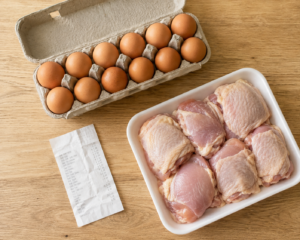
Domestically raised chicken has stayed close to flat in 2026, and egg prices have continued falling as production recovers, making both categories a comparative bright spot — directly supporting the swap strategy in the chicken thigh recipes and egg dinner recipes guides already on this site.
Why the Full Impact Hasn’t Hit Yet
Multiple economic analyses point to the same pattern: tariff costs typically take roughly a year or more to fully work through supply contracts and existing inventory before reaching the shelf price a shopper actually pays. That lag means a meaningful share of the 2026 tariff impact is still ahead rather than already reflected in current prices, particularly for categories with longer supply chains. For the official, regularly updated data, see USDA’s Food Price Outlook.
Expert Tip
When a specific imported product’s price jumps sharply, check whether a domestic or non-tariffed alternative exists before assuming the higher price is unavoidable. Coffee is a partial exception since production is geographically concentrated, but for many pantry categories — pasta, cooking oil, produce — a domestic or differently-sourced option often exists at a meaningfully lower price point once tariffs widen the gap.
Common Mistakes When Responding to Grocery Tariffs
- Assuming every category is affected equally. As covered above, the impact is highly uneven — some foods are barely moving while others are climbing sharply.
- Stockpiling perishables in bulk to “beat” price increases. This only pays off for genuinely shelf-stable goods; perishable stockpiling often trades a tariff cost for a food-waste cost instead.
- Ignoring frozen alternatives. Frozen produce and proteins are often less exposed to the specific import dynamics driving fresh produce prices higher.
- Waiting for prices to “go back to normal.” Multiple economic analyses describe these increases as largely permanent additions to the cost structure rather than a temporary spike, since retailers generally don’t reprice items downward once costs are absorbed into the supply chain.
Frequently Asked Questions
Which grocery items are most affected by 2026 tariffs? Coffee, imported pasta and olive oil, and Mexican-grown produce like avocados and tomatoes have seen some of the largest tariff-related price increases, since the U.S. relies heavily on imports for these specific categories.
Are any grocery categories NOT affected by tariffs? Domestically raised chicken and eggs have stayed comparatively stable or even fallen in price, since they aren’t as exposed to the same import cost pressures affecting coffee, produce, and specialty imported goods.
Will grocery prices go back down once tariffs are resolved, if they are? Not necessarily — economic analysis generally describes these cost increases as largely permanent once absorbed into the retail supply chain, rather than something that reverses automatically if trade policy changes.
When will the full tariff impact show up in grocery prices? Because tariff costs typically take over a year to fully pass through existing supply contracts and inventory, the second half of 2026 is expected to show a fuller picture than prices seen earlier in the year.
What’s the most practical way to reduce the impact of grocery tariffs on a household budget? Substituting domestically produced staples for heavily tariffed imported equivalents — such as leaning on chicken thighs and eggs rather than imported specialty proteins, and frozen produce over fresh imported produce when prices spike — is one of the most direct, immediate adjustments available.
Final Thought
Grocery tariffs 2026 aren’t a single, uniform price increase — they’re reshaping which foods are cheap and which are expensive in a way that rewards paying attention to where your groceries actually come from. Combined with the 2026 grocery price guide, chicken thigh, and Costco value guides already on this site, the practical response is the same one that’s worked throughout 2026: shift spending toward whichever category is currently the better value, rather than treating every grocery bill increase as unavoidable.
