
Quick Answer
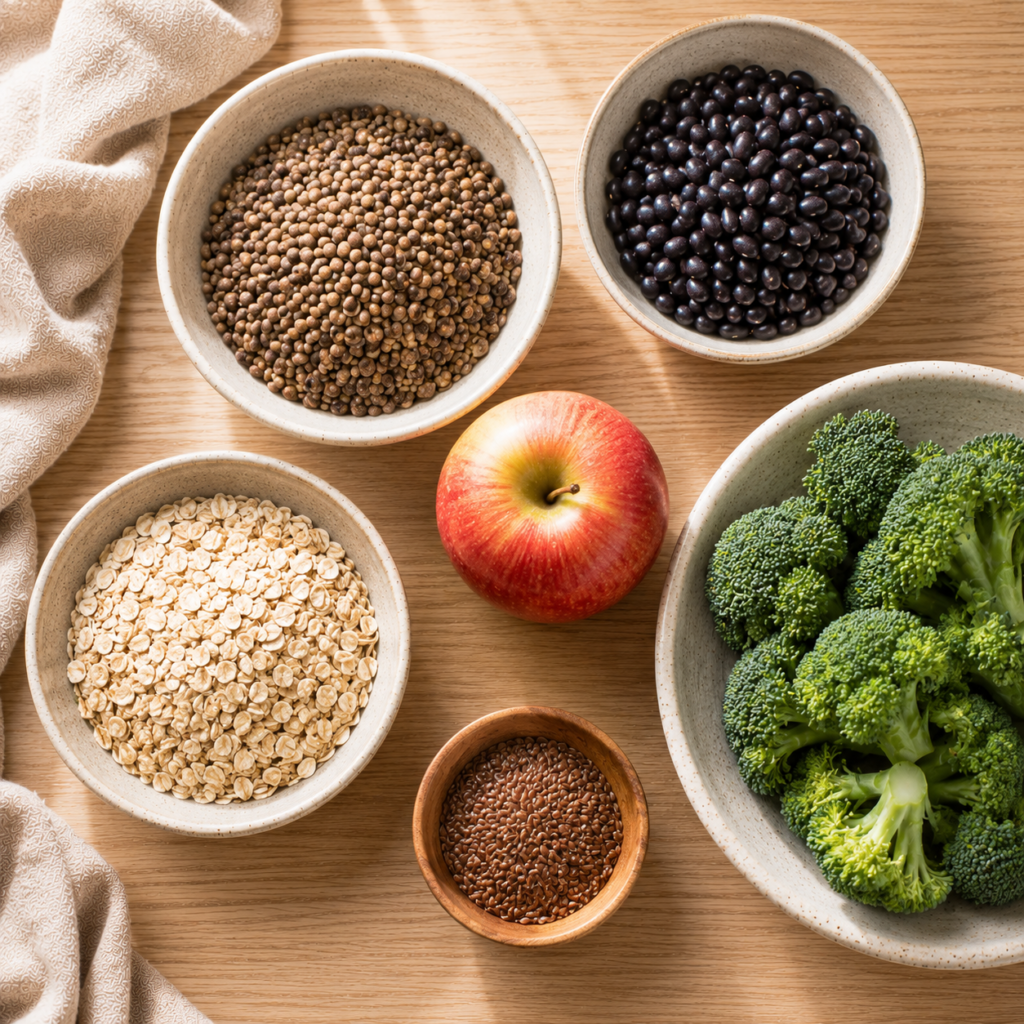
High fiber meals on a budget don’t require specialty fiber supplements or expensive “fiber-fortified” products — beans, lentils, oats, and vegetables like broccoli remain the cheapest sources of fiber per gram, and all fifteen recipes below are built around them. Current USDA dietary guidelines recommend roughly 14 grams of fiber per 1,000 calories consumed, which works out to about 28 grams a day on a standard 2,000-calorie diet — a target most Americans fall well short of.
Fiber has quickly become one of the biggest nutrition stories of 2026, with EatingWell reporting a 9,500% increase in page views on fiber-related content within a single year, and the trend nicknamed “fibermaxxing” gaining traction alongside — and sometimes ahead of — the ongoing high-protein movement. The two trends actually pair naturally: many of the cheapest fiber sources (beans, lentils) are also strong protein sources, which is why several recipes below connect directly to the high-protein meals on a budget guide already on this site.
The Cheapest High-Fiber Foods, Ranked
| Food | Fiber per Serving | Budget Rating |
|---|---|---|
| Lentils (cooked) | ~15g per cup | Excellent |
| Black beans (cooked) | ~15g per cup | Excellent |
| Split peas (cooked) | ~16g per cup | Excellent |
| Oats (rolled, dry) | ~4g per 1/2 cup | Excellent |
| Broccoli (cooked) | ~5g per cup | Very good |
| Raspberries | ~8g per cup | Good |
| Apple (with skin) | ~4g per apple | Excellent |
| Chia seeds | ~10g per 2 tbsp | Very good |
Beans, lentils, and split peas consistently deliver the most fiber per dollar of any food category, which is exactly why they anchor most of the budget-friendly recipes below rather than pricier specialty products.
15 High-Fiber Meals on a Budget
1. Lentil and Vegetable Soup
Dried lentils, carrots, celery, and broth simmered together — around 15g of fiber in a single bowl, for pennies per serving.
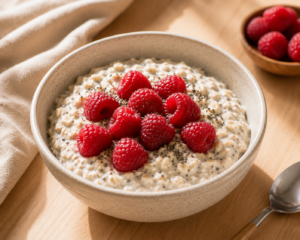
2. Overnight Oats with Chia and Berries
Rolled oats, chia seeds, and raspberries soaked overnight — easily over 15g of fiber in one breakfast, no cooking required.
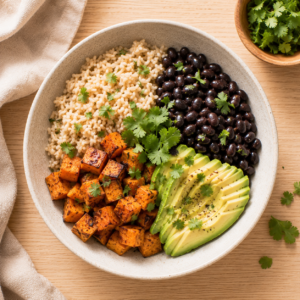
3. Black Bean and Sweet Potato Bowls
Black beans and roasted sweet potato over rice — a naturally high-fiber, budget-friendly combination.
4. Split Pea Soup
Dried split peas, broth, and a few basic vegetables, simmered until thick — one of the highest-fiber, lowest-cost soups possible.
5. Chicken Thigh and Broccoli Stir-Fry
Using the chicken thigh recipes already on this site, paired with broccoli for a meal that’s both high-fiber and high-protein.
6. Bean and Vegetable Chili
Building on the budget dinner ideas already covered here, extra beans and diced vegetables boost the fiber content significantly.
7. Apple and Peanut Butter Snack Plate
Apple slices (skin on) with peanut butter — a simple, no-cook, high-fiber snack that also adds protein.
8. Whole Wheat Pasta with White Beans and Greens
Whole wheat pasta tossed with white beans and any leafy greens on hand — a filling, fiber-dense dinner from pantry staples.
9. Chickpea Curry
Canned chickpeas simmered in tomatoes and curry spices, served over brown rice instead of white rice for an extra fiber boost.
10. Roasted Broccoli and Chickpea Sheet Pan
Broccoli and chickpeas roasted together with olive oil and spices — a simple, mostly hands-off high-fiber dinner.
11. Ground Beef and Bean Chili
Using the ground beef recipes already on this site, extra beans stretch the meat further while adding significant fiber.
12. Berry and Oat Smoothie
Oats, frozen raspberries or mixed berries, and a splash of milk blended together — a portable, high-fiber breakfast alternative.
13. Barley and Vegetable Soup
Barley (a whole grain, higher in fiber than rice) simmered with broth and vegetables — an affordable, filling, fiber-rich soup.
14. Black Bean Brownies (Yes, Really)
Blended black beans replace much of the flour in this dessert, adding fiber without changing the flavor noticeably once baked.
15. Loaded Sweet Potato with Black Beans
A baked sweet potato topped with black beans and a little cheese — a filling, high-fiber meal for well under two dollars per serving.
Expert Tip
Fiber intake should generally be increased gradually rather than all at once — jumping from a low-fiber diet straight to 30+ grams a day can cause digestive discomfort for some people. Nutrition experts commonly suggest adding one or two high-fiber swaps per week (like the apple-with-skin or bean-based recipes above) rather than overhauling every meal simultaneously, along with drinking enough water, since fiber absorbs water as it moves through the digestive system.
Common High-Fiber Budget Mistakes to Avoid
- Relying on fiber supplements or “fiber-fortified” packaged foods. Whole foods like beans, lentils, and oats are typically far cheaper per gram of fiber than fortified snack bars or powders, despite heavy marketing around fibermaxxing.
- Peeling fruits and vegetables. A significant share of the fiber in apples, pears, and potatoes lives in the skin — peeling them removes much of the fiber benefit.
- Increasing fiber too quickly. As noted above, a gradual increase paired with adequate water intake helps avoid digestive discomfort.
- Choosing white bread, white rice, and white pasta by default. Whole grain versions of the same staples typically contain two to three times more fiber for a similar price.
- Overlooking canned beans as “too basic.” Canned beans are nutritionally similar to dried beans (after rinsing to reduce sodium) and remain one of the cheapest, fastest high-fiber foods available.
Frequently Asked Questions
How much fiber do I actually need per day? Current USDA dietary guidelines recommend about 14 grams of fiber per 1,000 calories, which works out to roughly 25 grams a day for women and 38 grams for men on average calorie needs, according to standard nutrition guidance.
What’s the cheapest way to get more fiber? Dried or canned beans, lentils, split peas, and oats consistently rank as the most affordable fiber sources per gram, all of which anchor the majority of the recipes on this list.
Is fibermaxxing actually backed by nutrition science, or is it just a trend? The core idea — eating more whole, fiber-rich foods like beans, vegetables, and whole grains — is well-supported by long-standing nutrition research; “fibermaxxing” is largely a new name for an old, well-established recommendation that most Americans still don’t meet.
Can I get enough fiber and protein from the same budget-friendly foods? Yes — beans, lentils, and chickpeas are unusual in providing meaningful amounts of both fiber and protein in the same inexpensive ingredient, which is why several recipes above overlap directly with the high-protein meals guide already on this site.
Does cooking food reduce its fiber content? No — cooking does not meaningfully reduce fiber content in most vegetables, legumes, and grains, though very high heat or extended boiling can cause some nutrient loss in general, so lightly cooking vegetables when possible helps preserve overall nutritional value.
Final Thought
Fibermaxxing may be a new name, but the underlying idea — beans, lentils, whole grains, and vegetables with the skin on — has always been one of the most affordable ways to eat well. Paired with the high-protein meals, pantry staple recipes, and ground beef guides already on this site, hitting a genuinely high daily fiber target on a tight grocery budget is very achievable without buying a single fiber supplement.

1 Comment