
Quick Answer
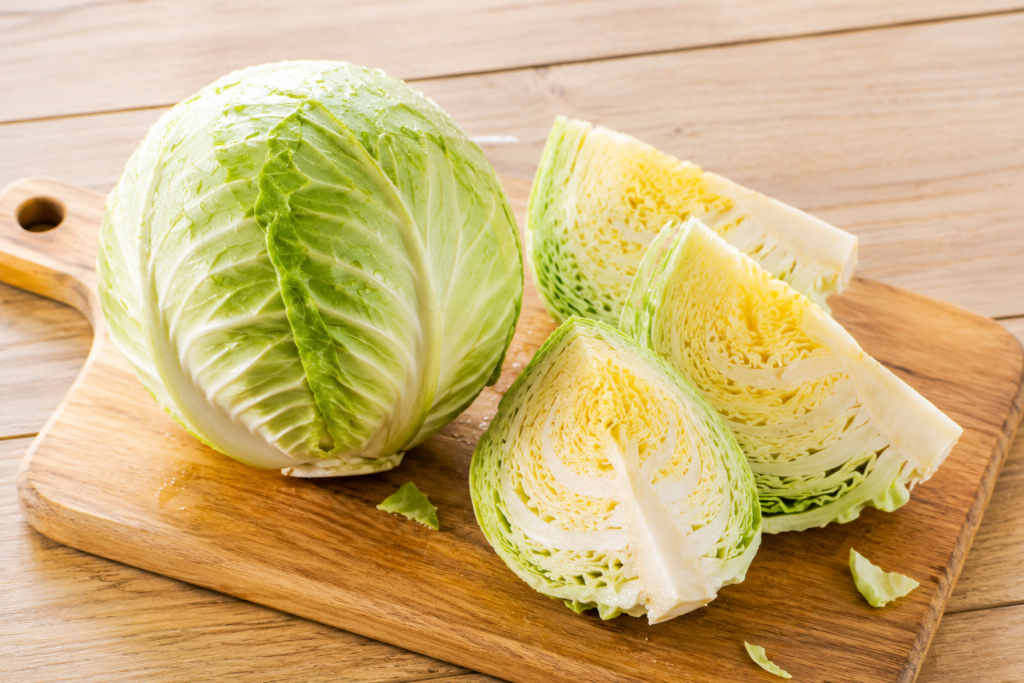
Cabbage has quietly become one of the most talked-about budget vegetables of 2026, and the reasons hold up under scrutiny: a single head typically costs well under two dollars, feeds a household for multiple meals, and lasts several weeks in the refrigerator — far longer than most fresh produce. Independent recipe cost breakdowns consistently put cabbage-based dishes at $1–$2 per serving, among the cheapest full meals possible. These 15 cabbage recipes cover soups, stir-fries, rolls, and sides, organized so you can pick based on how much time you have.
Cabbage pairs directly with several guides already on this site — cabbage rolls and beef-and-cabbage soup work naturally with the ground beef recipes already covered, and cabbage soup is a genuinely strong candidate for the slow cooker and make-ahead freezer meals approaches on this site.
Why Cabbage Is Such a Strong Budget Vegetable
- Exceptional shelf life. A whole, uncut cabbage stores for 3–4 weeks in the refrigerator — several times longer than lettuce, spinach, or most leafy greens, making it far less likely to be wasted before use.
- Very low cost per pound. Cabbage consistently ranks among the least expensive fresh vegetables available year-round in U.S. grocery stores.
- High volume per dollar. A single head produces multiple servings across several meals, unlike many vegetables that are used up in one dish.
- Genuine nutritional value. Cabbage is a good source of fiber and vitamin C, connecting directly to the high-fiber meals guide already on this site.
15 Cabbage Recipes
1. Classic Cabbage Soup
Cabbage, carrots, celery, and canned tomatoes simmered in broth — one of the most budget-friendly full meals possible, often costing close to a dollar per serving.
2. Beef and Cabbage Soup
Using the ground beef recipes already on this site, combined with cabbage and broth for a heartier, protein-rich version of the classic soup.
3. Cabbage and Sausage Skillet
Sliced cabbage pan-fried with sausage and onion until tender and slightly caramelized — a genuinely fast, one-pan dinner.
4. Beef and Cabbage Stir-Fry
Sliced cabbage stir-fried with ground beef and a simple soy-based sauce — ready in about 20 minutes.
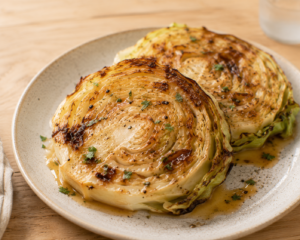
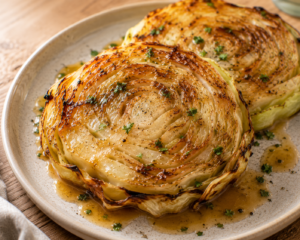
5. Cabbage Steaks
Thick slices of cabbage roasted or pan-seared until caramelized on the edges, finished with a simple sauce or gravy — a filling vegetarian main, not just a side dish.
6. Slow Cooker Cabbage Roll Soup
All the flavor of traditional stuffed cabbage rolls, deconstructed into a hands-off slow cooker soup — pairs directly with the slow cooker recipes for beginners guide.
7. Traditional Stuffed Cabbage Rolls
Cabbage leaves filled with a rice-and-ground-beef mixture, baked in tomato sauce — a filling, freezer-friendly meal.
8. Simple Coleslaw
Shredded cabbage tossed with a vinaigrette or creamy dressing — a classic, no-cook side that keeps well for days.
9. Cabbage and Egg Stir-Fry
Shredded cabbage stir-fried with scrambled egg and soy sauce — connects to the “eggs beyond breakfast” theme from the egg dinner recipes guide.
10. Fried Cabbage with Bacon
Cabbage cooked in rendered bacon fat until tender, finished with the crisped bacon — a classic Southern-style side that easily becomes a main dish over rice.
11. Cabbage and Rice Bowl
Sautéed cabbage served over rice with a simple sauce — an easy way to stretch a small amount of protein further, following the same principle in the pantry staple recipes guide.
12. Cabbage Curry
Cabbage simmered in a simple curry sauce with canned tomatoes and spices — a budget-friendly, naturally vegetarian option.
13. Cabbage and Potato Hash
Shredded cabbage and diced potato pan-fried together until crispy — a filling, inexpensive breakfast-for-dinner option.
14. Cabbage Noodle Stir-Fry
Cabbage sliced thin and used in place of noodles, stir-fried with vegetables and a simple sauce — a lower-cost, lower-carb alternative to a traditional noodle dish.
15. Freezer-Friendly Cabbage and Ground Beef Casserole
Layered cabbage, ground beef, and rice baked in tomato sauce — assembles ahead and freezes well, following the same principles in the make-ahead freezer meals guide.
How Long Cabbage Actually Lasts (And How to Store It)
A whole, uncut head of cabbage stores for roughly 3–4 weeks in the refrigerator crisper drawer, wrapped loosely or left in its original packaging. Once cut, wrap the remaining portion tightly in plastic wrap and use within about a week for best quality. This extended shelf life is one of cabbage’s biggest practical advantages — connecting directly to the date label and food waste principles covered in the best by vs. use by guide already on this site, since cabbage is genuinely one of the lowest-waste-risk vegetables available. For official storage guidelines on cabbage and other produce, see FoodSafety.gov’s storage times chart.
Expert Tip
Don’t discard the outer leaves of a cabbage head unless they’re visibly wilted or damaged — they’re often slightly tougher but perfectly edible, and work well in soups and stir-fries where a longer cook time softens them anyway. This small habit stretches a single head even further, in line with the low-waste, high-value approach that makes cabbage worth building a few regular recipes around.
Common Cabbage Cooking Mistakes to Avoid
- Overcooking it into mush. Cabbage cooks faster than many people expect — in stir-fries and quick sautés, a few minutes is often enough; longer cook times are best reserved for soups and braises where a soft texture is the goal.
- Not cutting it thin enough for quick-cook methods. Thick-cut cabbage takes noticeably longer to soften in a stir-fry than thin slices, leading to uneven results.
- Assuming all cabbage recipes taste like boiled cabbage. As this list shows, roasting, stir-frying, and pan-searing produce very different, often more appealing results than simple boiling.
- Throwing away the core too early. While tougher than the leaves, the core can be thinly sliced and cooked into soups rather than automatically discarded, reducing waste further.
Frequently Asked Questions
Why is cabbage considered such a budget-friendly vegetable? It combines a very low cost per pound with an unusually long shelf life and high yield per head, meaning less of it goes to waste compared to more perishable vegetables — a combination that consistently makes it one of the cheapest per-serving vegetables available.
How long does cabbage actually stay fresh? A whole, uncut head lasts roughly 3–4 weeks refrigerated, while a cut portion wrapped tightly should be used within about a week for best quality.
Is cabbage nutritious, or just cheap? Both — cabbage is a genuine source of dietary fiber and vitamin C, making it a nutritionally solid choice as well as a budget-friendly one, consistent with the fiber-focused approach in the high-fiber meals guide already on this site.
What’s the best way to use cabbage if I don’t like boiled cabbage? Try roasting it as cabbage steaks, pan-frying it in a stir-fry, or using it raw in coleslaw — these methods produce noticeably different textures and flavors than boiling, and are responsible for cabbage’s renewed popularity.
Can cabbage dishes be frozen? Cooked cabbage dishes, especially soups and casseroles like the ones above, generally freeze well — raw cabbage can also be frozen, though its texture softens considerably upon thawing, making it best suited for soups rather than dishes needing a crisp texture.
Final Thought
Cabbage’s reputation as a bland, old-fashioned vegetable doesn’t hold up once you move past boiling it — the fifteen recipes above show a genuinely versatile, consistently inexpensive ingredient that stretches a grocery budget further than almost any other vegetable, largely thanks to its unusually long shelf life. Combined with the ground beef, slow cooker, and freezer meal guides already on this site, cabbage earns a regular spot in a genuinely budget-focused kitchen.
